

Megan Killion says the competitor you lose to most is the buyer doing nothing. Discovery, a hypothesis and the cost of staying put are how she sells against it.
Because the buyer can always keep living with the problem, and most sellers never find out what that problem costs them. Megan Killion, chief consultant at Pisces Growth Consulting and author of The MSP Sales Playbook, told me doing nothing is the most likely thing any seller loses to. Her fix starts before the pitch: find out whether there's a problem worth solving at all.
Megan works as a revenue architect for managed service providers and founder-led B2B tech companies under $25 million. She has sold everything from cell phones to content delivery for enterprise brands, and she says she has listened to and analysed tens of thousands of sales calls.
What do most salespeople get wrong on a first call?
They talk about themselves. Megan said discovery is the most important sales skill and the least talked about.
We often skip triage diagnostic and we immediately just start prescribing something.
Megan Killion, 37:16
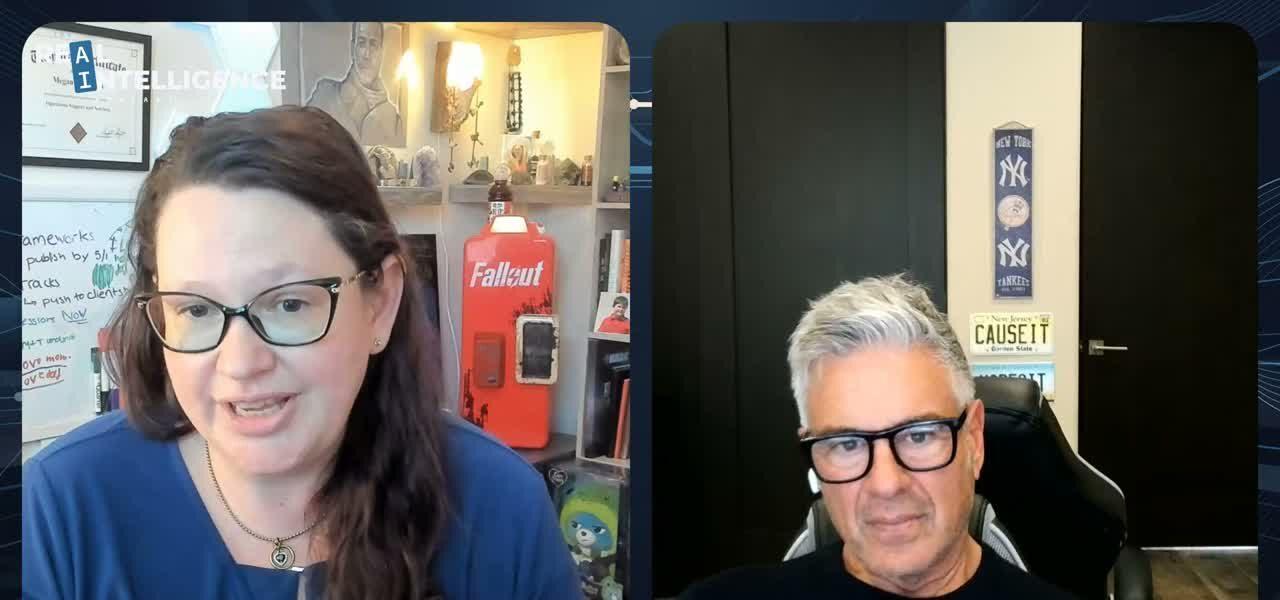
She'd been coaching a client right before our recording. He was walking into a big enterprise meeting with decks and marketing materials and no idea what was wrong on the other side. She asked what he wanted from the meeting. He said a signature, then the next meeting. She told him both were the wrong goal.
The goal of this meeting is to find out if there should be a next meeting for both of us.
Megan Killion, 37:57
Why is "do nothing" the real competitor?
Because staying put feels free today. Megan put a number on it from her own experience.
No matter what you sell, 90% of the time, the most likely thing you're going to lose to is do nothing.
Megan Killion, 40:53
That's Megan's figure, from her years of selling. Even when there are four other vendors in the running, the buyer usually doesn't switch. They live with the pain. She added a hard truth about formal bids: in a request for proposal, if you didn't help write it, someone else already decided what good looks like, and they'll probably win.
So she sells against the cost of standing still. We all talk about return on investment. Megan builds her hypothesis around what the problem costs the buyer if they leave it alone.
- Find the problemIs there one your product can actually solve?
- Form a hypothesisWhat does leaving it alone cost them?
- Test it with themLet them say yes or no to what you have seen
- Decide togetherIs a next meeting good for both sides?
How do you know what "a lot of money" means to a buyer?
You ask, because it changes with the buyer. When Megan sold content delivery to enterprises, a lot of money meant $50 million. Selling to MSPs and small businesses, she said, $5,000 a month is a lot of money.
To that owner it's another employee, or money invested back in the business, or a kid's college fund. You can't judge the size of a problem until you understand how your offer touches the rest of their business and their life.
What does a good hypothesis sound like?
It names what you usually see and lets the buyer place themselves. Megan's version for MSPs goes like this.
Usually when MSPs come to me, they think that they have a lead gen problem, but when we drill in, we find that they actually wouldn't know what to do with a lead if they were handed one.
Megan Killion, 43:45
Then she asks whether they have a CRM, a sales process and defined messaging. If they don't, the next conversation is worth having. If what they need isn't what she does, she points them to someone who can help. That saves both sides time, and the buyer qualifies themselves.
What happens when a seller assumes they are the best?
They lose the buyer. Megan told me about a man on LinkedIn who insisted every business should run on Microsoft, and that any owner who didn't wasn't serious. He never asked her how big her team was, what her goals were or how she uses technology.
You just decided that your solution is the best solution.
Megan Killion, 39:38
She also pointed out how many providers doing the same work tell her they're the best, and they can't all be right. Even if you are, the buyer's question is why it matters to them.
If you're deciding where an agent fits in your own business, start with which part of the business an agent should take over first.
From the episode Get Into Their World: What Autism Taught Her About Sales, Parenting & Life, on YouTube →
Want this in your business?
Book a call and we will scope exactly which part of your operation an agent should take first.
Book a call with the team