
Short answer
Partly. Google ranks local results on relevance, distance and prominence, and its AI features draw on the same Search systems and Business Profiles. ChatGPT works differently: it usually knows only your approximate city from your IP address, rewrites “near me” into a city search, and pulls listings from third-party providers. Distance counts for less there, and consistent listings count for more.
Key takeaways
- Google’s local ranking rests on three factors it names itself: relevance, distance and prominence.
- Google’s AI features are built on its core Search systems, and Google says Business Profiles help businesses appear in AI responses.
- ChatGPT estimates location from the IP address unless the user shares device location, which is off by default. It turns “near me” into a search for the city.
- ChatGPT gets local business listings partly from third-party providers it does not name, so your details need to be right in more places than Google.
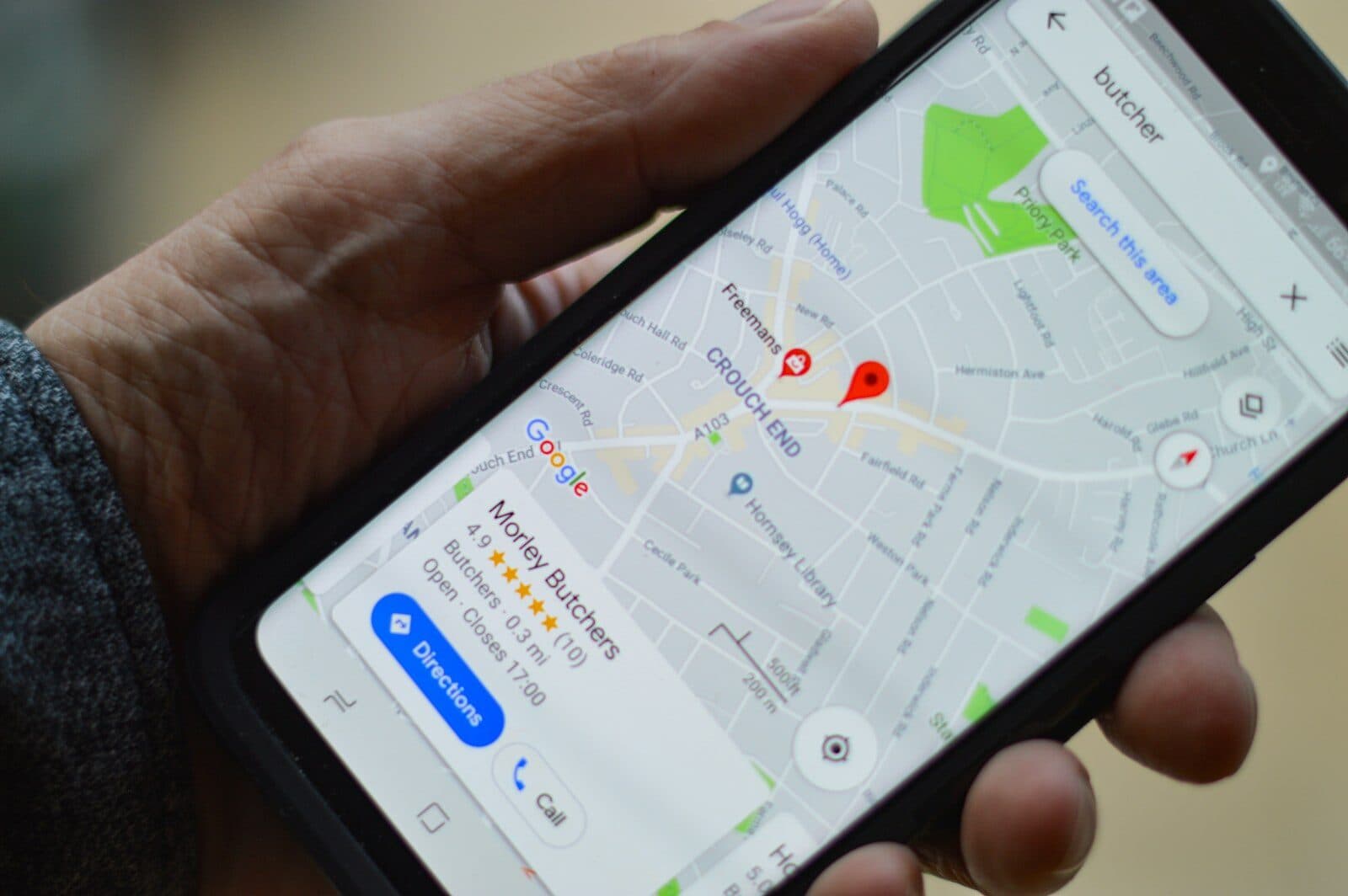
“Dentist near me” used to be a question with one answer: whoever held the top of the Google map for your block. When the same words go to an assistant, the result depends on which assistant, and on what it knows about where the patient is standing. Often that is less than you would assume.
What decides Google’s local results?
Three factors, by Google’s own account. Relevance is how well a Business Profile matches the search. Distance is how far the business is from the searcher. Prominence is how well known the business is. Google says more reviews and positive ratings can help, and that there is no way to pay for a better local ranking.
- RelevanceHow well it matchesHow well a Business Profile matches the search.
- DistanceHow far awayHow far the business is from the searcher.
- ProminenceHow well knownHow well known the business is.
Prominence is the broadest of the three. It takes in what is said about a business across the web, which is why a practice with a long history and a lot of coverage can outrank a closer one. Relevance is the one you control most directly, through the categories, services and descriptions on your Business Profile.
Do Google’s AI Overviews and AI Mode use the same local signals?
Largely, because they sit on the same foundation. Google says its generative AI features are rooted in its core Search ranking and quality systems, and that AI responses can include information about local businesses. It names Google Business Profiles as one way to help a business appear in both AI responses and other search results.
Google doesn’t publish how AI Mode weighs distance against prominence when it writes a paragraph instead of drawing a map. What it does say is that the same index and profiles feed both. For a practice, work done on the Business Profile serves Google’s map and Google’s AI answers at once, which makes it the best-value local work there is.
How does ChatGPT handle a “near me” question?
It guesses the area, then searches for it. OpenAI says ChatGPT may estimate a general location from the user’s IP address, and that sharing precise device location is optional and off by default. In its own example, a “near me” request from the San Francisco area becomes the search “top restaurants San Francisco” sent to a search provider.
That rewrite is the whole difference. The patient asked for near. The search that actually runs asks for a city. Unless the patient has turned on location sharing or names a neighbourhood, a practice two blocks away has no built-in advantage over one across town. What decides the answer is which practices the search results and listings describe as good matches for the city and the need. OpenAI’s own advice to users points the same way: if local results show the wrong area, add a city, neighbourhood or postal code to the question. Your pages should name the places you serve, so that search has something to match.
- Patient asks “near me”
- ChatGPT estimates the areaFrom the IP address, unless device location is on
- It rewrites the question“Near me” becomes a search for the city
- A search provider answersListings come partly from third-party providers
| Signal | Google local results | ChatGPT search |
|---|---|---|
| Where the patient is | Distance from the searcher is a named factor | Approximate location from IP, or device location if the user turns it on |
| What gets searched | The query, matched to Business Profiles | A rewritten query, often the city name plus the service |
| Where listings come from | Google Business Profiles | Search providers and third-party business listing providers |
| Distance | One of three named ranking factors | Limited by how precise the location is |
| Reviews | Google says they can help ranking | Not documented by OpenAI |
| Paying for placement | Google says it is not possible | OpenAI says placement is not guaranteed |
Where does ChatGPT get its local business information?
Partly from outside providers. OpenAI says it may share a user’s location with trusted third-party providers that supply local information such as nearby business listings, and that ChatGPT search partners with other search providers, pointing to Microsoft’s privacy statement among them. It does not name its business listing providers, so no practice can manage a single ChatGPT listing.
The practical response is to be consistent everywhere a listing provider might look. Bing Places, Apple Business Connect, Yelp, Healthgrades, Zocdoc, your insurers’ directories and your own site should all carry the same name, address, phone, hours and services as your Google profile. When the details disagree, an assistant either hedges or repeats the wrong one. When they agree, the practice becomes easy to describe.
Do reviews count the same way in AI answers?
For Google, reviews feed prominence, and Google says more reviews and positive ratings can help local ranking, so they reach its AI features through the same systems. OpenAI publishes nothing on how reviews affect ChatGPT’s local answers. What an assistant can do is read reviews and summaries on the pages it retrieves, so what patients write becomes part of the description.
What should a practice do about “near me” in AI answers?
- Finish your Google Business Profile first. It serves the map and Google’s AI features together.
- Write your city and the neighbourhoods you serve into your service and location pages in plain sentences, because the rewritten search names the city.
- Make your details identical on Bing Places, Apple Business Connect, Yelp, the health directories and your insurers’ listings.
- Ask for reviews steadily, from real patients, and answer them.
- Test it. Ask ChatGPT and Google’s AI Mode “best [service] in [your city]” each month while logged out, and write down who is named.
Microsoft already sorts the searches behind AI answers by intent, and Local is one of the categories in Bing Webmaster Tools’ AI performance reporting. The vendors treat local as its own kind of question. Practices should too, and stop assuming that holding the map means holding the answer.
Questions people ask
Does ChatGPT know where I am when I search “near me”?
Approximately. OpenAI says ChatGPT may estimate your general location, such as your city, from your IP address. Precise device location is shared only if you turn it on, and it is off by default. ChatGPT then rewrites “near me” into a search for that area.
Do Google’s AI Overviews use my Google Business Profile?
Google says its generative AI features are rooted in its core Search systems and that Google Business Profiles help businesses appear in AI responses and other search results. Keeping the profile complete and current serves both the map and the AI answers.
What are Google’s local ranking factors?
Google names three. Relevance is how well a Business Profile matches the search, distance is how far the business is from the searcher, and prominence is how well known the business is. Google says reviews can help and that better local ranking cannot be bought.
Where does ChatGPT get local business listings?
OpenAI says ChatGPT uses search providers and may share approximate location with third-party providers that supply nearby business listings. It does not name the listing providers, so consistent details across Bing, Apple, Yelp and health directories matter.
Can a practice pay to appear in AI “near me” answers?
Not through the organic answers. Google says there is no way to pay for a better local ranking, and OpenAI says placement in ChatGPT search results is not guaranteed. What a practice controls is complete, consistent listings and real reviews.
Sources
- Google Business Profile Help, "Tips to improve your local ranking on Google" (2026): The three factors of relevance, distance and prominence, that reviews can help ranking, and that local ranking cannot be paid for.
- Google Search Central, "Optimizing your website for generative AI features on Google Search" (2026): Google’s AI features are rooted in core Search systems and can include local business information, and Business Profiles help visibility in AI responses.
- OpenAI Help Center, "Searching the web with ChatGPT" (2026): IP-based approximate location, device location off by default, the “near me” rewrite example, third-party search and listing providers, and that placement is not guaranteed.
- Microsoft Bing Search Blog, "New AI Visibility Insights in Bing Webmaster Tools" (June 2026): Bing classifies the grounding queries behind AI answers by intent, including Local.
Published . Last reviewed .
Want this in your business?
Book a call and we will scope exactly which part of your operation an agent should take first.
Book a call with the team