

Gary Kadi went digital and stayed a micromanager. He says controls are traffic signals the whole team follows, and AI keeps them from drifting when people change.
Being controlling means everything has to pass through you. Having controls means the business has signals that tell everyone what to do, and tell you when something goes off track, without you watching. I learned the difference late. When my company went digital I changed every tool we used and kept the same habit of having my eyes on everything.
Gus Waite asked me to walk through my career on this episode, era by era. The digital chapter is the one I'd warn other owners about.
What does controlling look like when the tools change?
We replaced binders with PDFs, meetings with video calls and training rooms with online courses. We served more people and I had more control, which I loved. I didn't change the inside, though.
The paradigm shift to get out of this stage is you have to put controls in place, not be controlling.
Gary Kadi, 10:43
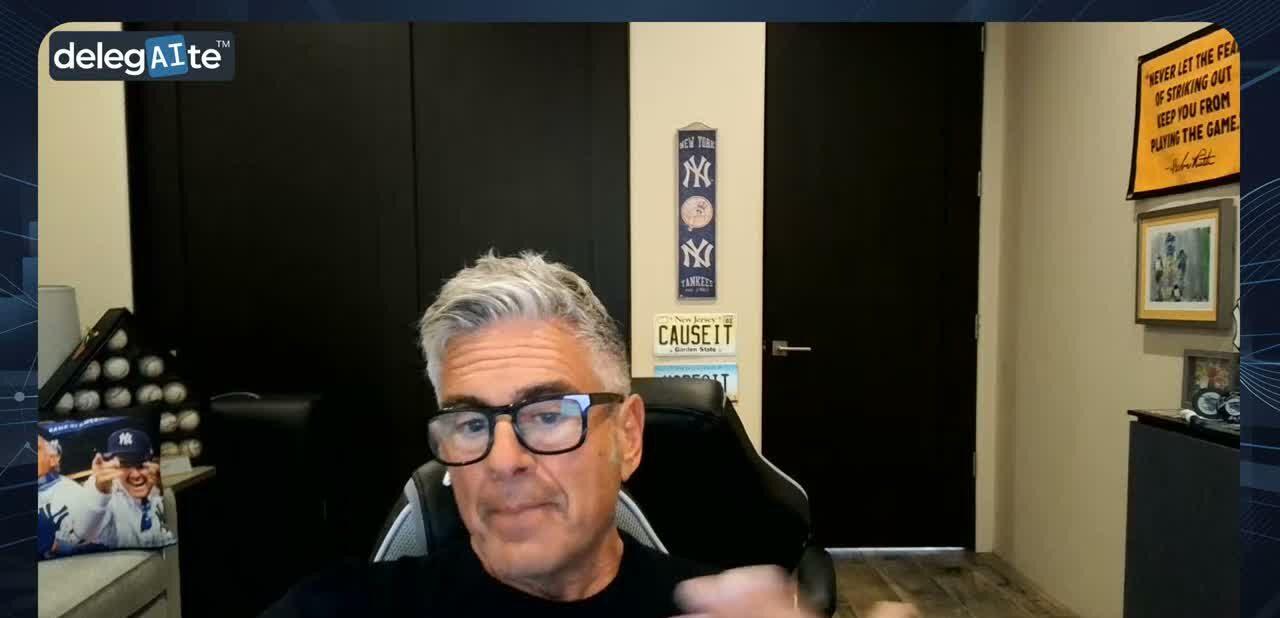
I was a micromanager. The way I explain the difference now is a city street.
The difference between controlling and having controls in place is traffic signals.
Gary Kadi, 10:57
Nobody stands at the corner directing each car. The signals do it, and everyone follows them. In a company those signals are alerts and written ways of doing the work. Without them, any change you make only magnifies what's already there. For me, digital meant more work, more problems, more people and more headaches.
- ControllingEyes on everythingEvery decision waits for the owner, and the owner never gets a day off
- ControlsTraffic signalsAlerts and structures everyone follows, whether the owner is there or not
What happens when one person becomes the control?
You get taken hostage. Gus named it, and he was right. When you're growing, you find one person who takes everything off your plate. Mine was a coach who became my COO. She held every password and every SOP, so I didn't have to work with the team at all.
Then she asked for three times her pay. She pointed to the more than $2 million in revenue she was coaching and the team she was managing. She had a case, and I had built a company on one person: a house of cards, with nothing written down that didn't live with her.
Now I build what I call Noah's Ark: two of everything, so no single person holds the only copy. Vlad Podoliako of Belkins looks at delegation from the founder's side in the post on how much quality you lose when you delegate.
Why do the systems a founder builds drift over time?
Because people carry them, and people change. Even when I built good systems in the digital years, I still had to watch them.
Somebody would leave a position, the new person would pick it up and they put their interpretation on it.
Gary Kadi, 22:00
Do that for ten years with four or five people in a seat and you're running a different system from the one you designed. It's the telephone game. And in the analog years I'd only find out from the P&L, a month after the month was over, when nothing could be changed.
How does AI change that?
What I put into an agent stays the way I put it in. When it doesn't, I find out early.
Once I put something in one time, it stays that way. And if it doesn't, there's alarms going off way upstream.
Gary Kadi, 22:12
Those alarms are the traffic signals I didn't have before. My co-CEO agent even holds me to my own working hours. If I try to book something outside Tuesday to Thursday, 11 to 4, it asks whether I'm sure. I built that control and then let it work.
If you're starting this, write the work down first. An agent can only hold a process someone has described, which is why I'd begin with how to write an SOP an agent can follow.
From the episode Your Business Has 12 Months to Go Agentic, on YouTube →
Want this in your business?
Book a call and we will scope exactly which part of your operation an agent should take first.
Book a call with the team